


Sugar: The Dangerous Food Additive That’s in Everything
Are you excited to start a new year? Ready to make 2019 the year that you finally get healthier? Not sure where to start?
There are a lot of pieces of advice I could give you. But THIS change will make the biggest impact.
Tired of up-and-down energy levels? Struggling to fall asleep? Can’t get rid of stubborn belly fat? Suffering from headaches? Chronic pain? Mood swings? Autoimmune disease?
What is the magic bullet that helps with all of the above? Cutting out sugar.
Natural Sugar
When I say sugar, I’m not referring to natural sources of sugar.
Natural sources of sugar include:
- Fruit
- Vegetables
- Plain dairy
I would never encourage a client to completely eliminate fruits or vegetables from their diet. They both contain critical vitamins and minerals you can’t find anywhere else, and their sugar content is not a concern if you consume them in the right way (more on that later). Dairy is trickier – I address this on a case-by-case basis with my clients so I can’t give a blanket statement on whether or not it needs to be in your diet.

Processed Sugar
Now that we know what I’m not talking about, I’ll explain what I AM talking about!
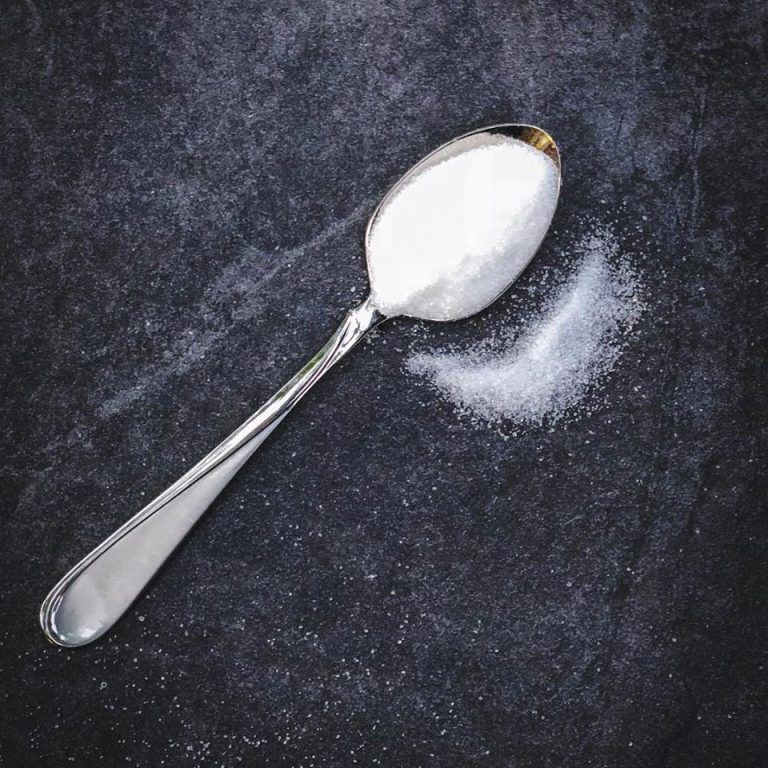
I’m talking about man-made sugar. Processed sugar. Refined sugar.
Sugar is not a natural substance. We invented it.
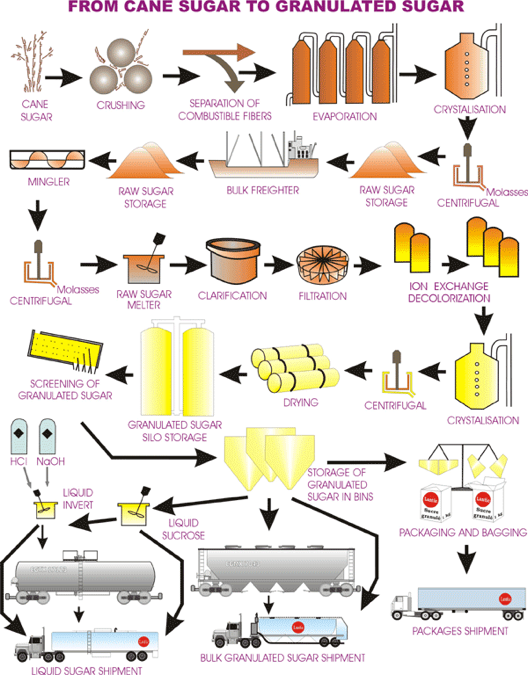
It’s literally harder to make meth in your bathtub than it is to make sugar… Here’s a look at the lengthy process:
How Much Are We Eating?
On average, Americans eat 1.2 pounds of sugar…. EVERY WEEK.
That’s SIXTY POUNDS of sugar every year!

Why Are We Eating So Much?
1) Because sugar is cheap
Sugar used to be extremely expensive and only the elite could afford it (Archaeologists look at the teeth of human remains to see if they’re rotted from sugar intake, which tells them the person was wealthy!) That all changed one hundred years ago when we signed a treaty with Hawaii. The price of sugar went way down and it became more accessible.
2) Because they lied to us.
In the 1960’s the sugar industry paid three Harvard scientists the equivalent of $50,000 in today’s dollars to downplay the link between sugar and heart disease. Instead, they suggested saturated fat was the problem. By the 90’s the low-fat movement was going strong. What happens when you take out fat? You take out flavor. What did food companies add instead? Sugar.
3) Because it’s addictive.
Sugar lights up the same areas of the brain that cocaine light up. Food scientists know this and use it to their advantage. Your addiction to their product is a good thing, for them.
4) Because it makes us feel good.
When we eat sugar our body releases feel-good hormones, which give us ten seconds of pleasure to distract us from whatever has us down. Yup, that’s why you want a pint of ice cream after a break up or a long day at work.
Other research-proven ways you can access those feel-good hormones:
- A hug
- Face-to-face quality time with people
- Exercise
- Laughter
- Prayer
- Music
- Yoga
- Dancing
- Playing with animals
- Watching a movie
- Defusing essential oils

What Is It Doing to You?
Sure, we all know sugar can make you gain weight and lead to diabetes. But there are alot of other scary side effects of eating too much.
Eating processed sugar can cause:
- Increased belly fat
- Bloating
- Migraines/headaches
- An energy roller coaster (especially a 3 PM “slump”)
- Chronic pain
- High cholesterol
- Heart disease
- Premature aging
- Insomnia
- Mood swings
- Anxiety
- Depression
- Hormonal imbalance
- PCOS
- Autoimmune disease
It also:
- Feeds cancer cells
- Damages your liver, the organ that detoxes your body
- Ages your skin faster
Convinced You Don’t Eat Alot of Sugar?
Ok so I’ve convinced you that eating too much processed sugar can have some serious side effects.
But maybe you’re thinking to yourself… “Taylor I don’t drink soda and I don’t eat a lot of candy. I doubt I eat a lot of sugar.”
Read the shocking truth!
Continue Reading