

How to Cook the Perfect Sunny-Side Up Egg, Every Time
Taylor Stolt, RDN, LD, CLT, IFNCP • August 9, 2018
How to Cook the Perfect Sunny-Side Up Egg, Every Time
If you’ve been following my Instagram account you’ll know that I’m allllll about the sunny-side up eggs. I put them on avocado toast, a bowl full of sautéed veggies, a sweet potato hash, a big bed of greens…
I mean, what don’t over-easy eggs go well with?
Nothing, that’s what.
Alright let’s get to the necessities!
- Non-stick skillet – I use Greenpan because it uses a sand-derivative for its non-stick surface instead of toxic chemicals like PFOA or PFAS
- Eggs – All eggs are packed with vitamins, choline, high-quality protein and healthy fats. If you don’t mind spending a little extra money, buy pasture-raised eggs for even more benefits. They contain 4 times the vitamin E, 2 times the vitamin A, 8 times the beta carotene, 3 times the vitamin D, and 3 times the omega-3’s.
- Oil – I love cooking my eggs in coconut oil, but olive oil, avocado oil, butter, and ghee are all a-ok. Avoid fats/oils that are high in omega-6’s and/or trans fat, like margarine, vegetable oil, canola oil, and PAM spray.
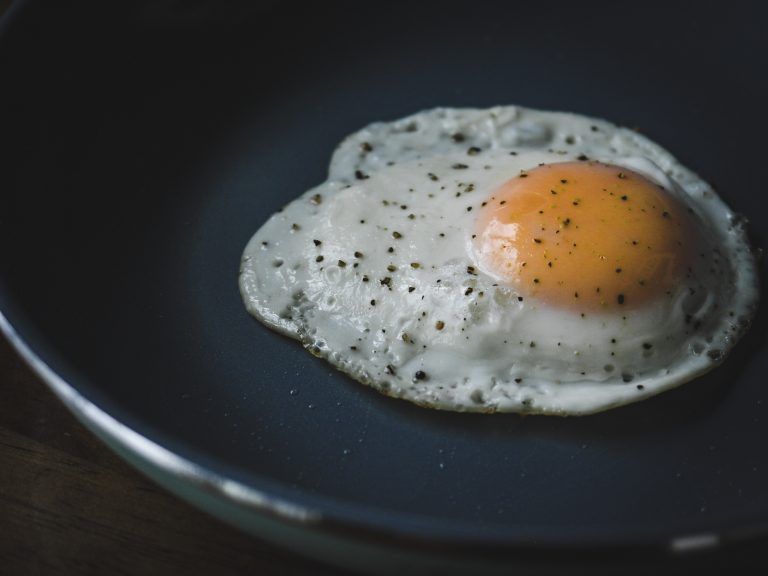
Here we go guys, the perfect sunny side up egg…
Every.
Dang.
Time.
Instructions
- Heat about 1 tsp oil/fat on medium heat in your non-stick pan.
- Wait about 2-3 minutes until oil is warm. Don’t let it get super hot. We want the egg to cook slowly to avoid ugly bubbles!
- Crack your egg on a flat surface like the counter. If you crack the egg on the side of the pan shell will get pushed up into the egg and you’re more likely to get little bits of shell in the pan!
- Add the egg into the pan slowly. Sprinkle in some salt (and pepper if that’s your thing). Cover with a lid and cook for 2 minutes.
- Add a spoonful of water to the pan and cover again (this creates some steam!).
- Cook for 30-45 seconds until the whites are cooked throughout. If you like your egg over medium, cook for 30 seconds longer!
- Remove from the pan with a spatula or gently loosen the edges of the egg with your spatula and slide it off of the pan right onto your plate! Just don’t use metal utensils – they’ll scratch the non-stick surface and make it “sticky”.
I’m all about low-maintenance dishes, but this is something that’s well worth babysitting.
Tag your sunny-side up eggs ( @plateandcanvas) for a chance to be featured – I’d love to see your beautiful breakfast creations!
-Taylor
Continue Reading
Not feeling like yourself after pregnancy? Learn 10 ways to support postpartum hormone balance, ease common symptoms, and know when to seek help.
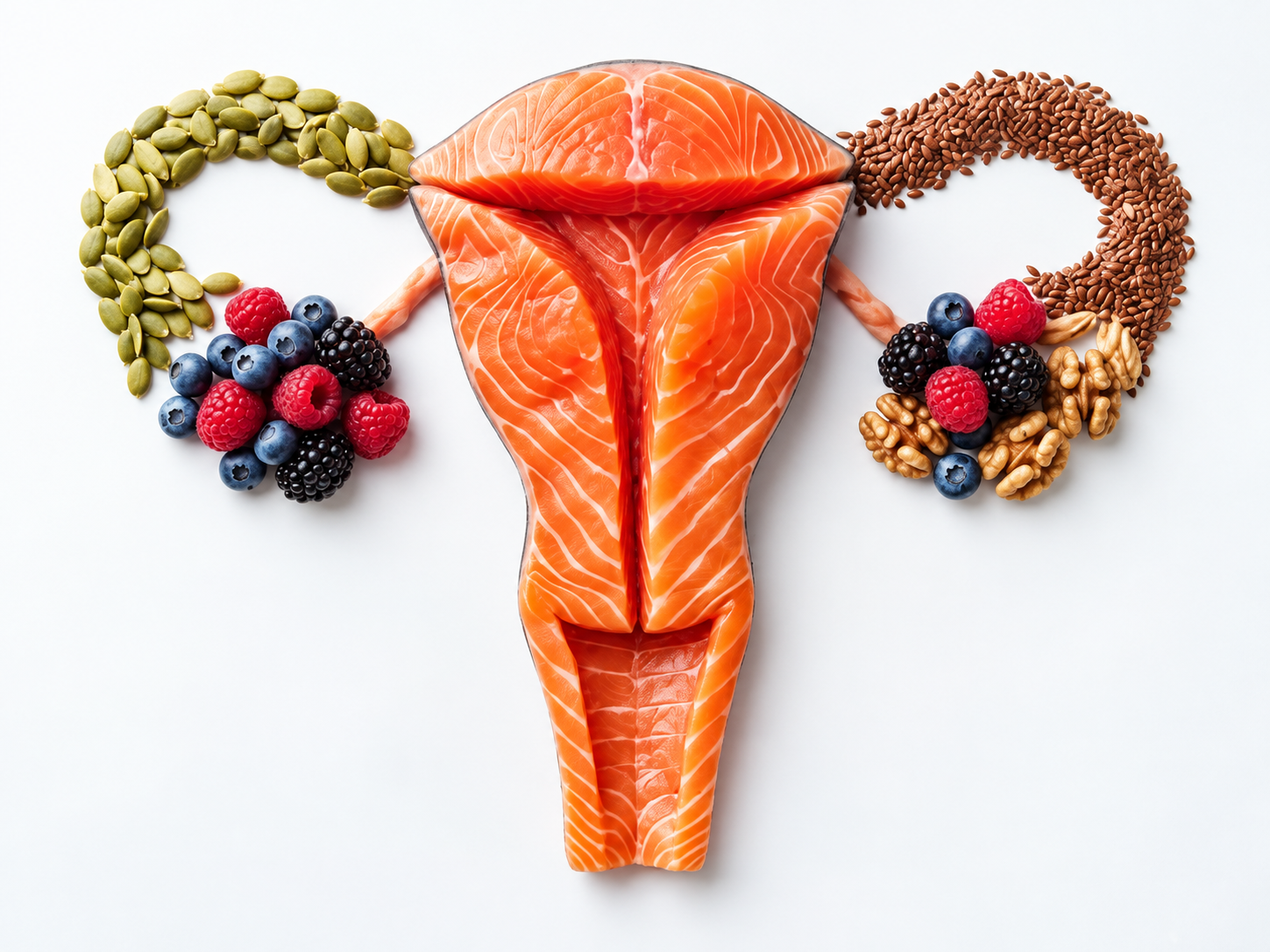
Discover foods to improve egg quality, key fertility nutrients, foods to limit, and a simple meal formula to support fertility and IVF preparation.
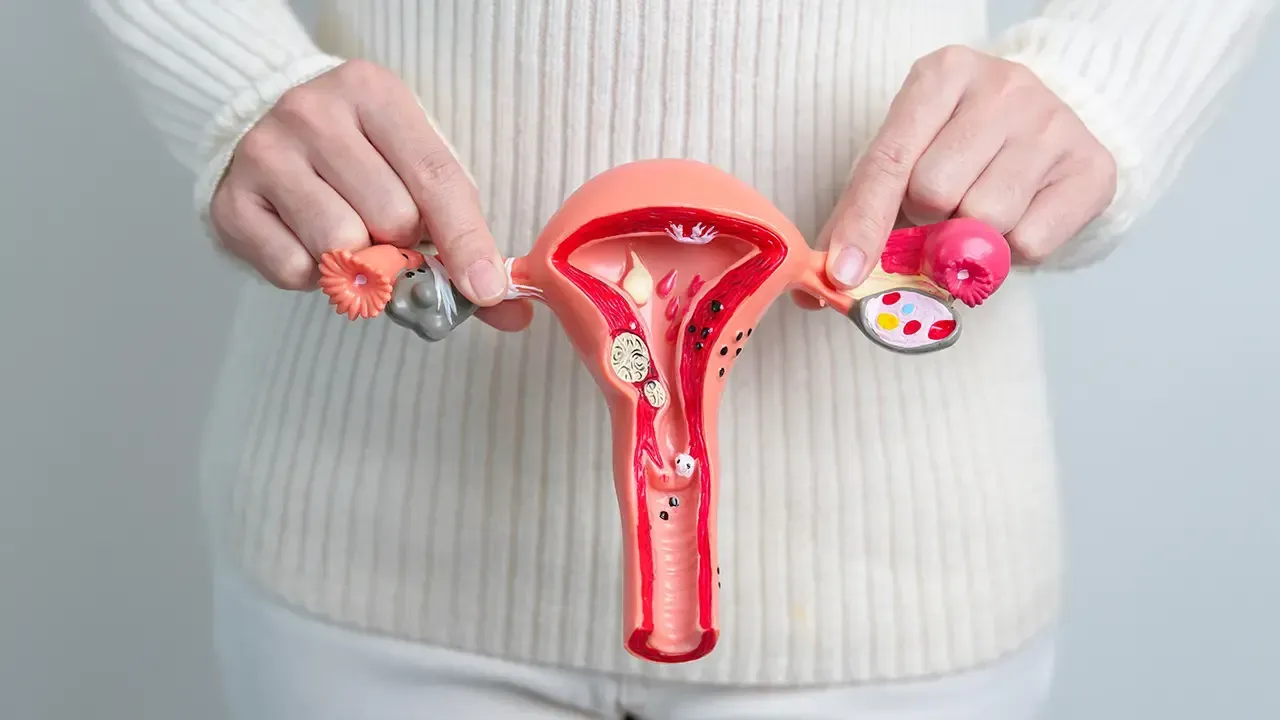
Learn how to improve egg quality naturally with nutrition, supplements, exercise, sleep, and lifestyle strategies to support fertility and IVF.
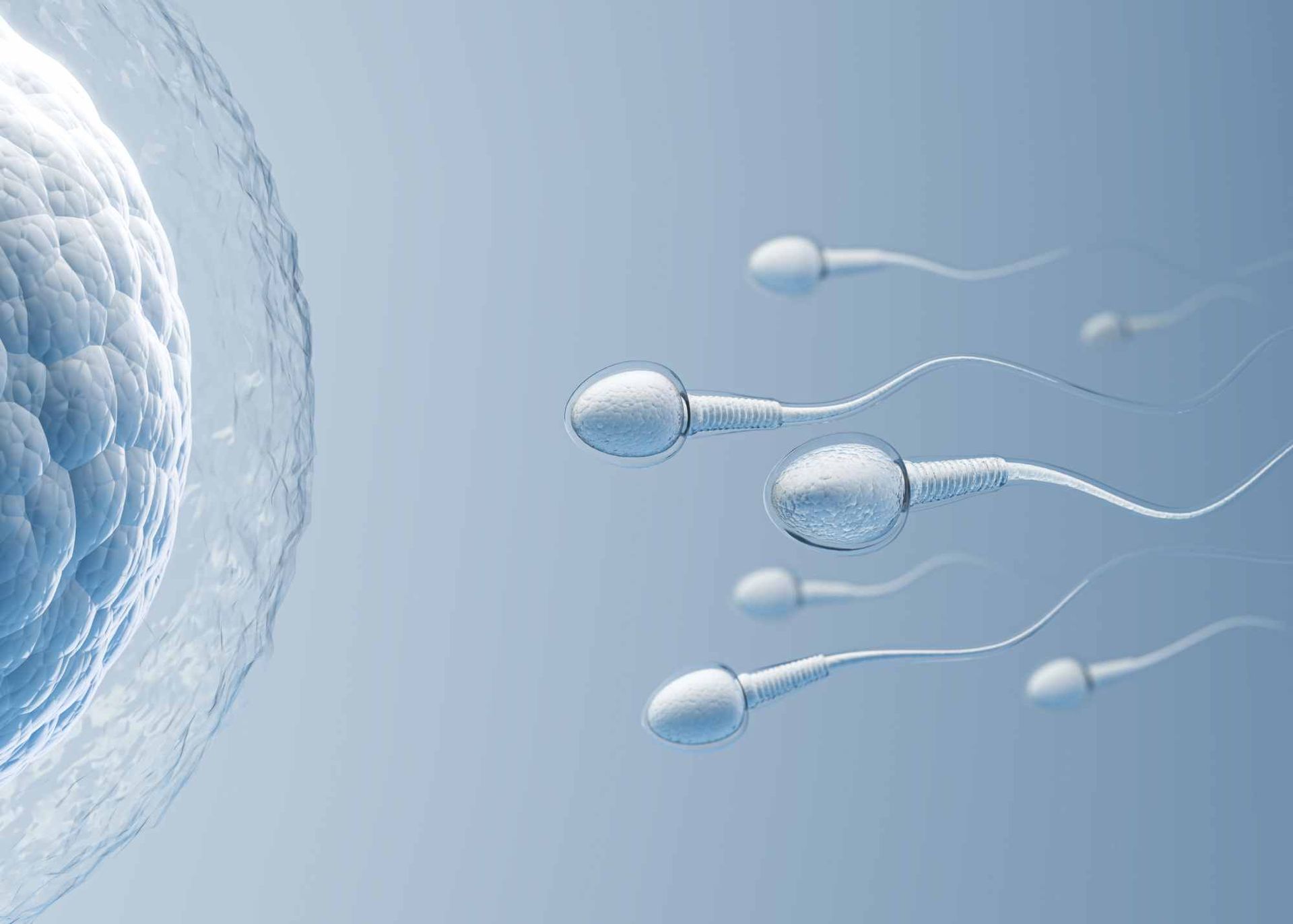
Discover 10 foods that support sperm count, motility, testosterone, and male fertility naturally—plus the nutrition and lifestyle habits that matter most.
Learn how to use a basal body temperature (BBT) chart to track your cycle, confirm ovulation, and understand what your patterns mean for fertility.
Still dealing with bloating, constipation, or reflux postpartum? Learn what drives postpartum digestive issues and what to do.

Struggling with low sperm count? Learn how to increase sperm count naturally by identifying and addressing the root causes.

Is your baby gassy, spitting up, or uncomfortable after feeds? Learn why babies struggle with reflux and gas, and how to improve infant digestion naturally.
Dads, your pre-baby workouts might be the best gift you ever give your kids. Learn how exercise before conception can boost their metabolism and athletic potential.

Not all fertility teas are created equal. Discover the best teas to support fertility naturally, teas to avoid, and how to build a holistic fertility plan.