

How to Balance Your Hormones Naturally After Pregnancy

Bringing a new baby home is a whirlwind. There's so much joy, but there's also an enormous amount of change happening in your body behind the scenes.
If you've found yourself thinking, I just don't feel like me, your hormones are probably playing a bigger role than you think.
Pregnancy requires some of the biggest hormone shifts the body will ever experience.
Estrogen rises dramatically. Progesterone increases 10 to 20 times. Even your thyroid hormones increase to support pregnancy. Then, once the placenta is delivered, estrogen and progesterone drop rapidly.
In a matter of days, your body goes from the hormonal environment of pregnancy to an entirely new postpartum state. And because these hormones influence everything from mood and sleep to energy and digestion, it makes sense that you may feel different physically and emotionally as well.
Some of these changes are completely normal and expected during postpartum recovery. But that doesn't mean every symptom should automatically be brushed off as "just postpartum."
So, what can you actually do to support your hormones postpartum?
In this blog we cover:
- What's happening with your hormones after birth
- How breastfeeding changes things
- The nutrition and lifestyle habits that support hormone balance naturally
- When symptoms are worth investigating
What Happens to Your Hormones After Pregnancy?
Postpartum isn’t simply a return to your old hormonal baseline. Your body is moving into an entirely different hormonal environment.
Here's what some of the major players are doing.
Estrogen
The placenta produces large amounts of estrogen during pregnancy, so levels drop quickly after delivery. This shift can contribute to mood changes and vaginal dryness, and it plays a role in allowing milk production to begin.
Progesterone
Progesterone also falls sharply. During pregnancy, progesterone produces a metabolite called allopregnanolone, which has calming effects in the brain. Its sudden decline after birth may contribute to some of the anxiety, irritability, sleep changes, and emotional ups and downs associated with the "baby blues."
Prolactin
Prolactin rises after birth to initiate and maintain breast milk production. If you're nursing or pumping, prolactin continues to rise in response to feeding. This is one reason breastfeeding can affect the timeline for ovulation and the return of your menstrual cycle.
Oxytocin
Oxytocin surges when you nurse or pump. It triggers the milk let-down reflex and also supports feelings of calm and connection with your baby.
Cortisol
Cortisol is already elevated in late pregnancy and may remain higher during the early postpartum period. Add frequent nighttime wake-ups, physical recovery, feeding a newborn, and the general demands of caring for a baby, and your normal cortisol rhythm can become disrupted. This may contribute to fatigue during the day while somehow making it harder to wind down at night.
Thyroid Hormones
Thyroid hormones are generally stable immediately after delivery, but the months that follow deserve attention.
Postpartum thyroiditis can develop between 1-6 months postpartum. It may initially cause symptoms associated with an overactive thyroid, such as anxiety, heart palpitations, and weight loss, followed by symptoms of an underactive thyroid, including fatigue, weight gain, and cold intolerance. Women with thyroid antibodies or a history of thyroid problems may be at higher risk.
This is also why we don't like assuming every postpartum symptom is "just hormones." Fatigue, anxiety, hair loss, and weight changes can overlap with thyroid and nutrient concerns too.

How Does Breastfeeding Affect Postpartum Hormones?
If you're breastfeeding, your hormones may take a little longer to settle into their new rhythm, and that's completely expected.
Prolactin, the hormone responsible for milk production, stays elevated in response to nursing and pumping. Higher prolactin can delay ovulation and the return of your period, which is why your cycle may look very different from someone who isn't breastfeeding.
Some women get their period back while exclusively breastfeeding. Others don't see it until feeds become less frequent or they wean. There's a wide range of normal here.
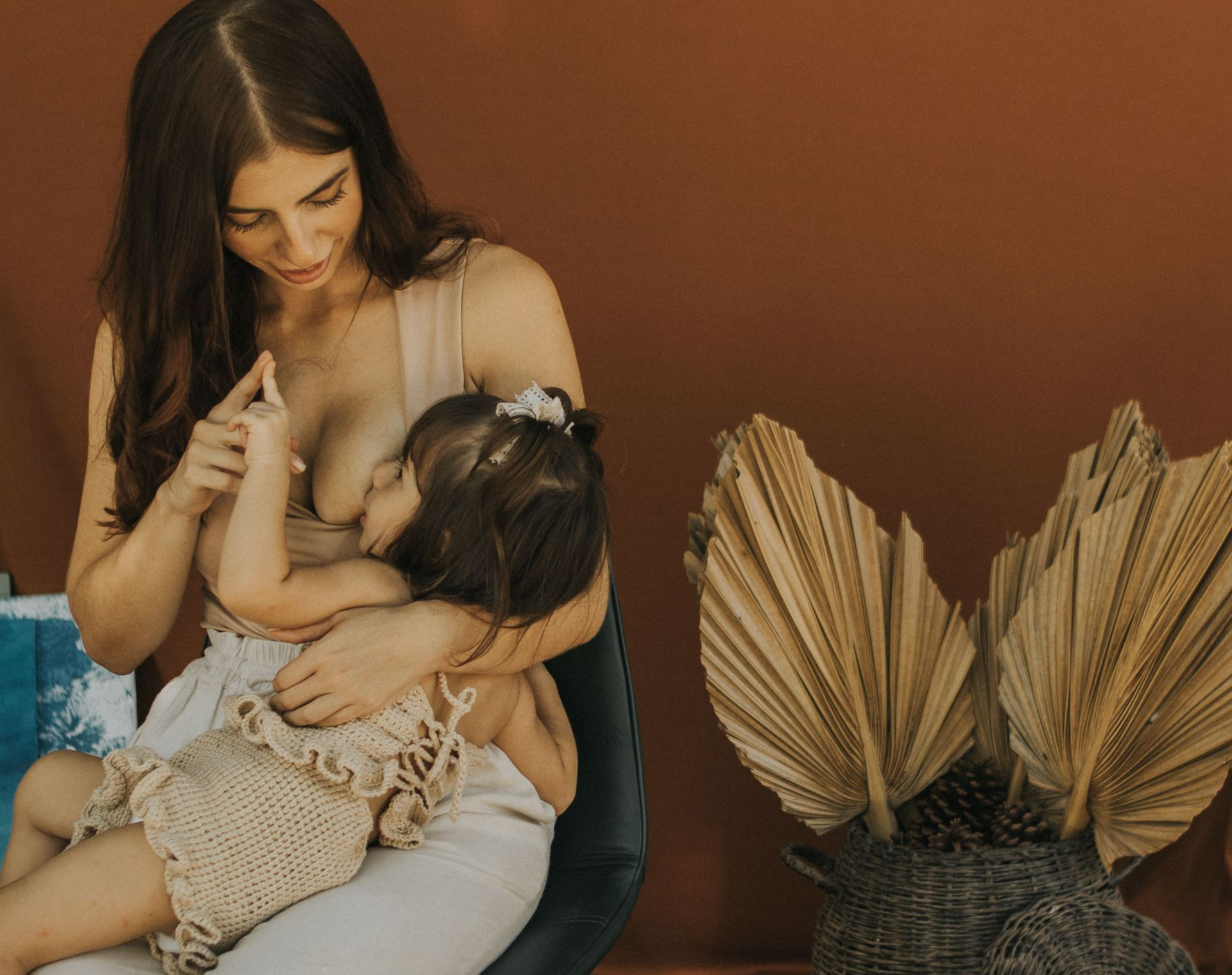
Breastfeeding also asks more of your body nutritionally. Producing breast milk requires additional energy, nutrients, and fluid, so this isn't the time to drastically cut calories in an effort to "get your body back." Most breastfeeding women need roughly 300-500 additional calories per day to help meet those increased demands.
This matters when we're talking about balancing hormones naturally after pregnancy. Your body needs enough energy and nutrients to recover from pregnancy and delivery while also supporting milk production.
So rather than making weight loss the primary goal early postpartum, think replenishment first. Eat enough. Prioritize nutrient-dense foods. Stay hydrated. Give your body the raw materials it needs to recover.
Your body is already doing a lot. We want to support it, not give it another stressor to work against.
How to Support Hormone Balance Naturally After Pregnancy
When it comes to actually balancing your hormones naturally after pregnancy, we want to start with an important reminder: your hormones aren't broken.
They're supposed to change postpartum.
You don't need a detox, a "hormone-balancing" tea, or a cabinet full of supplements to force everything back into place. Your body needs time, nourishment, and support as it recovers from pregnancy and delivery.
So before jumping to complicated protocols, let's start with the foundations that can make the biggest difference in how you feel.
1. Eat Enough
Postpartum is not the time for aggressive calorie restriction.
Your body is repairing tissue, restoring blood volume, replenishing nutrient stores, regulating hormones, and potentially producing breast milk. All of that requires energy.
If you're breastfeeding, your body may need roughly 300–500 additional calories per day to help meet the demands of milk production. Cutting calories too aggressively, especially early postpartum, can make it harder to meet your nutritional needs and may interfere with milk supply and recovery.
Rather than focusing on eating
less, focus on nourishing your body well and giving it enough of what it needs to recover.
2. Prioritize Protein
Protein does a lot of heavy lifting postpartum.
It supports tissue repair, blood volume restoration, milk production, immune function, hormone regulation, and preservation of muscle mass.
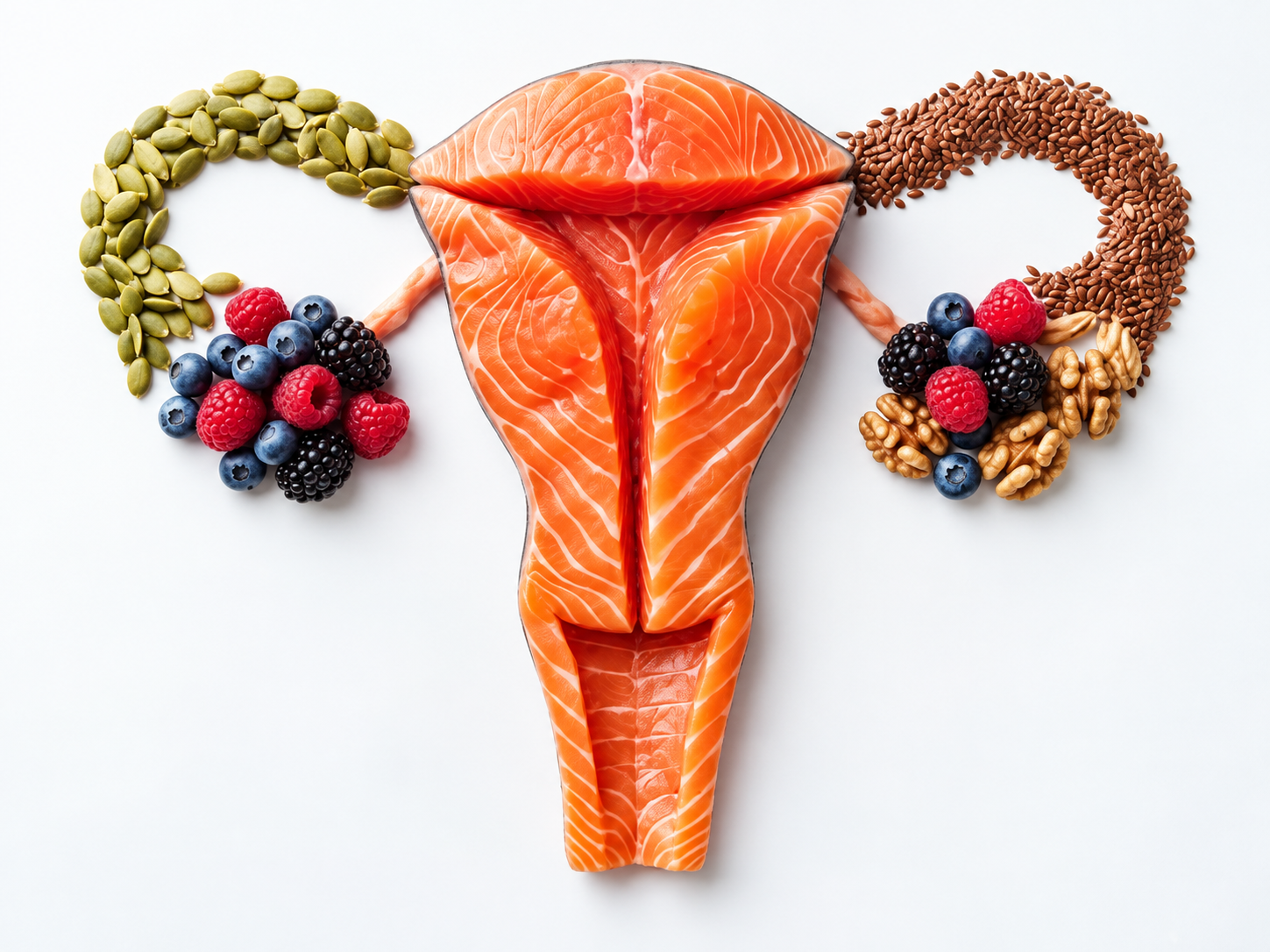
Build meals around quality animal-based protein sources like eggs, beef, chicken, salmon, and dairy if tolerated.
(And make this practical! The newborn stage isn't necessarily the season for elaborate recipes.)
Try: eggs and avocado for breakfast, Greek yogurt with berries for a snack, a salmon and rice bowl for lunch, or ground beef with potatoes and vegetables for dinner.
3. Replenish Nutrients Lost During Pregnancy and Delivery
Pregnancy asks a lot of your nutrient stores, and delivery and postpartum recovery ask even more. That’s why we think of postpartum nutrition as a season of replenishment, not restriction.
Nutrients we pay particular attention to include iron, B vitamins, vitamin D, iodine, choline, omega-3s, magnesium, zinc, and selenium.
The good news? You don’t have to build the “perfect” postpartum diet. Start prioritizing nutrient-dense foods, and add supplements when your labs or provider show you need them.
4. Don't Toss Your Prenatal the Day You Deliver
Your prenatal isn't only useful while you're pregnant.
Because nutrient demands remain high postpartum, continuing a comprehensive prenatal can help cover nutrients like folate, B vitamins, iodine, vitamin D, and choline while your body recovers.
At Plate and Canvas, we generally recommend continuing a prenatal for at least the first six months postpartum and throughout breastfeeding.
From there, additional supplementation should be individualized based on diet, symptoms, breastfeeding status, health history, and lab results rather than guessing.
More supplements aren't necessarily better. The goal is filling the gaps your body actually has.
5. Hydrate, Especially if You're Breastfeeding
Breast milk is mostly water, so if you're breastfeeding, your hydration needs go up quite a bit.
Aim for around 100-120 oz of fluid per day if you're not breastfeeding and 130-160 oz if you are. And consider even more fluids on hot days or when you're more active.
A simple way to check in with your hydration is urine color (pale yellow is generally what we're looking for!)
And remember, hydration doesn't have to come from plain water alone. Sparkling water, herbal tea, bone broth, soups, and water-rich fruits and vegetables like watermelon, berries, oranges, cucumber, celery, and melon can all help you get more fluid throughout the day.
Electrolytes and adequate sodium can also be helpful, particularly while breastfeeding.
Make it easy on yourself: get a water bottle you actually like drinking from (a fun straw never hurts!), keep it next to wherever you typically nurse or pump, set a few reminders on your phone, or make it a habit to refill your bottle every time you feed baby. Small routines like these can make hydration feel much more doable when your hands and brain are already full.
6. Support Your Gut
Your gut and your hormones are more connected than you might think.
Pregnancy can shift the gut microbiome, and things like delivery, antibiotics, a C-section, stress, diet changes, and plenty of sleepless nights can add another layer postpartum.
But supporting your gut doesn't have to be complicated. Start with food: fermented foods like kefir and sauerkraut, plus 30-35 grams of fiber from berries, beans, seeds, and vegetables.
Want more ways to support digestion? Read our postpartum digestion guide.
If you’re months postpartum and still dealing with bloating, constipation, reflux, or unpredictable digestion, don’t assume you just need a probiotic. Persistent symptoms can be a clue that it’s worth looking at what’s actually going on in your gut.
7. Protect Sleep Where You Can
We promise we're not going to tell you to “sleep when the baby sleeps.” If only it were that simple!
It’s extremely unlikely you’re getting eight uninterrupted hours right now, and that's okay. Instead of chasing perfect sleep, focus on protecting the sleep and rest you can get.
If possible, create a realistic nighttime support plan with your partner, family, or friends so you're not carrying every wake-up alone.
Choose an earlier bedtime when you can instead of trying to squeeze in one more load of laundry or catch up on everything once the baby is asleep. Keep caffeine earlier in the day, and try to get outside for some morning daylight to help support your natural sleep-wake rhythm.
And remember, small things still count. A ten-minute morning walk with the baby, resting while someone else holds them, or heading to bed 30 minutes earlier may not feel groundbreaking, but these little pockets of recovery can add up.
Postpartum isn't the season for a perfect sleep routine. Work with the season you're in and protect rest wherever you can find it.
8. Ease Back Into Movement
Once you're medically cleared, give yourself permission to ease back into movement gradually. Your body doesn't want you to jump right back into your pre-pregnancy workout routine.
Start with what feels manageable. Walking with the baby, gentle mobility work, and gradually adding strength training can support mood, stress regulation, blood sugar balance, and sleep.
Over time, rebuilding strength matters too. Pregnancy, delivery, and breastfeeding can all take a toll on your muscle, and strength training helps you get it back.
More isn't always better. Think about movement as a way to support your recovery, not another way to push your body. A ten-minute walk counts. A short strength session counts.
Meeting your body where it is right now counts.
The goal is to rebuild strength gradually and create a routine that supports your body in this season, rather than rushing to get back to where you were before pregnancy.
9. Consistent Fueling
Postpartum life can make regular meals feel nearly impossible. You may realize it's 2 p.m. and you've survived on coffee and half a granola bar while keeping another human alive.
But eating consistently can be one of the simplest ways to support steadier energy throughout the day.
Try to eat something within an hour or two of waking, and aim for a meal or snack every few hours.
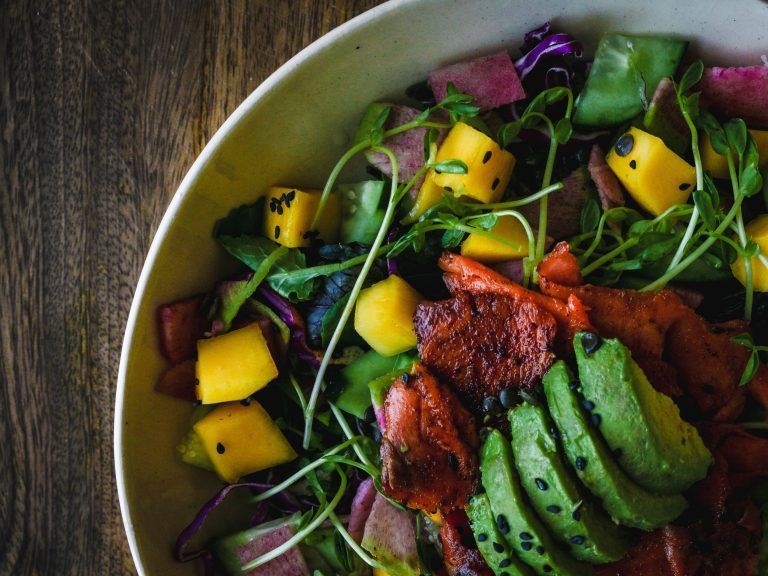
Build meals around protein, fiber-rich carbohydrates, and healthy fats, rather than relying on quick carbohydrates alone. And keep easy snacks within reach for the days when sitting down for a full meal just isn't happening.
Think Greek yogurt and berries, an apple with nut butter, cottage cheese and plantain chips, hard-boiled eggs with avocado, or hummus with crackers.
It doesn't need to be perfect. The goal is simply to give your body a more consistent supply of energy during a season when it's already working overtime.
10. Give It Six Months
Your hormones aren't supposed to snap back to their pre-pregnancy levels the moment you give birth. Your body is recovering from pregnancy and delivery, replenishing nutrient stores, adjusting to disrupted sleep, and, if you're breastfeeding, supporting milk production too.
You can eat well, prioritize protein, take your prenatal, stay hydrated, support your gut, and move your body, but you still can't rush biology.
Instead of putting pressure on yourself to balance your hormones as quickly as possible, focus on consistently giving your body what it needs to recover.
Your hormones should stabilize around six months postpartum, or when you stop breastfeeding.

When Postpartum Symptoms Are Worth Investigating Further
Postpartum recovery takes time and there’s a wide range of what can be normal as your hormones shift and your body heals. But “postpartum” shouldn't become a catch-all explanation for feeling unwell indefinitely.
If you still don't feel like yourself six months postpartum, it's probably time to look into what's going on.
Symptoms like
- persistent fatigue
- anxiety or low mood
- brain fog
- feeling unusually cold
- hair loss beyond the typical postpartum shedding period (3-5 months)
- low libido
- vaginal dryness
- ongoing night sweats
- racing heart
- trouble sleeping
or significant changes in your menstrual cycle once it returns can all be reasons to check in with your healthcare provider and consider in-depth testing.
Still Don't Feel Like Yourself? Let's Find Out Why
If you're six months postpartum (or past weaning) and still dealing with fatigue, mood changes, brain fog, or other symptoms that don't feel right, you don't have to keep waiting it out.
At Plate and Canvas, we work with moms virtually across the US. We pair a functional medicine nutrition approach with advanced lab testing to look at what may be behind how you feel, including nutrient status, thyroid function, blood sugar, hormones, gut health, and inflammation.
From there, we build a plan around your labs, health history, symptoms, lifestyle, and goals. What your body needs after pregnancy can look completely different from what another mom needs, and your plan should reflect that.
We've worked with 800+ clients since 2018, and our 140+ five-star Google reviews are a good place to see what working with us is like.
Ready for answers?
Book a discovery call and we'll talk through what you're experiencing and whether working together makes sense. You can do it from home, even during nap time.
Continue Reading